Why is wire rope used within the automotive industry?
The lifting material is a strong, sturdy, and reliable alternative to many other forms of lifting gear that are on the market. Manufacturers need processes and equipment that they can safely rely on, and thanks to wire rope's construction consisting of several strands of metal wires twisted together in a helix fashion, the rate of problems is reduced. Following on from the trend of previous years, roughly 70 million vehicles have been produced over the last three years every single year, which works out at almost 200,000 a day. The production line needs to keep moving swiftly and smoothly, and rope is the best way to keep this happening.
How is it used within the automotive industry?
Wire rope is used in several ways in the automotive industry. It is used throughout the construction process itself, helping on the manufacturing line to move around the various parts and pieces of the automobile that is being completed. It is also utilised with various cranes and hoists to help the manufacturing line moving at the efficient rate that is now required. Huge amounts of heavy parts need to be lifted and moved, and rope is one of the only solutions for this.
Find rope throughout the automotive industry, in both the construction of the automobiles and the finished product This helps to construct everything from cables, exhausts, steering wheels, springs, sunroofs, and seats to larger pieces of the automobile like car doors. Alongside this, rope is used within the automobiles themselves. One such way is by being used within the tyres of an automobile, which helps to strengthen them. Another way, which is often found within the military industry, is by being used as wire rope isolators within the vehicles. These isolators are built to absorb heavy shock and vibrations, and can operate in extreme environments with a huge resistance to corrosion and general wear and tear. This makes them perfect for military vehicles such as aircraft, jeeps and tanks which may have to suffer explosions or go over rough terrain.
Innovation In Steel Manufacturing Processes: Advancements in steel manufacturing could lead to the development of stronger, lighter, and more flexible wire rods. This could enhance vehicles' overall efficiency and performance by reducing weight while maintaining structural integrity.
Customisation For Specific Vehicle Needs: Tailoring steel wire rods to meet the particular requirements of vehicles could result in optimal components for factors like durability, flexibility, and resistance to environmental factors such as corrosion. This customisation could contribute to vehicle systems' overall reliability and longevity.
Integration With Advanced Safety Features: Steel wire rods could be crucial in integrating advanced safety features in vehicles. For example, they could be utilised in constructing reinforced frames or impact-absorbing structures to enhance crashworthiness and protect occupants during a collision.
Potential For New Applications In Charging Infrastructure:As autonomous vehicles become more prevalent, there will likely be an increased demand for charging infrastructure to support them. Steel wire rods could be used to construct robust and durable charging stations, helping to ensure their long-term reliability and functionality.


When you think of wire rods, you would probably not picture them being used extensively in the automotive industry. Unlike steel plates, sheets, and rolls, wire rods are rarely in the spotlight as these are not big-ticket purchases with the high order value.
But for over a century, wire rod products have been a critical component in automobile manufacturing.
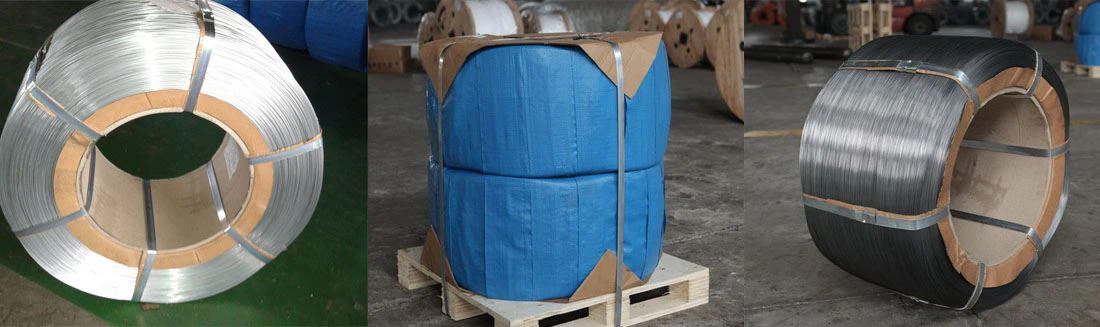
Each year, the automobile industry utilises more than 2 billion tonnes of steel wire. Steel wire rods are processed into parts that are utilised in the development of the steering and suspension systems, tire cords, and bearings.
They are highly versatile, finding application in every part of an automobile, from transmission and fuel injection components to brakes, fasteners, shock springs, and exhaust systems (yes, even in engines).
To attain the desired qualities, wire rods are frequently combined with other types of steel, creating what are known as composite steels. This is because each application has a very specific strength and performance requirements. Steel wire rods can thus be classified based on the type of steel used, which include –
Alloy steel (83%) – Steel alloys with various metals, including titanium, chromium, magnesium
Carbon steel (7.3%)
Stainless steel (9.7%)
Without further ado, let's now take a look at some important applications of wire rods in the automotive industry.
4 Key Applications Of Steel Wire Rods In Cars And Two-wheelers
Application in manufacturing the sensitive components of an automobile
Steel wire rods are used to fabricate sensitive components such as steering wheels, engine mounts/mountings, transmission gears, suspensions, and many others. These parts of the car are "sensitive" because they are required to withstand mechanical stress or vibrations, and are essential to the car's safe operation. All of these components require expensive manufacturing and testing.
Steel wire rods are an excellent choice in the manufacture of sensitive auto components as they cost less than other alloy materials, while offering greater strength, flexibility, and the capacity to maintain their shape even at extremely hot or cold temperatures.
For the production of such components, medium and high carbon steel wire rods are typically preferred.
Application In Automobile Electronic Components
Steel wire rods are used extensively in automotive electronics. Thin, lightweight, and excellent conductors, steel wire rods are used to create circuit connections between different electrical components, and to facilitate the flow of electricity throughout circuits. Some examples include -
Connecting the battery cable to the starter motor or alternator
Manufacture of filler wire used in motors and electrical components
Connecting electrical components like circuit breakers, ignition coils, spark plugs, etc.
Wiring up an electrical system (engine, lighting, and so on).
Application In Chassis Structural Elements, And Interconnections
Chassis design and development is one of the most demanding stages in car-making due to its inherent manufacturing complexity, and its importance in vehicle safety. Steel wire rods are used in the more intricate parts of chassis design, as well as its interconnecting components. Wire rods made of medium-carbon, high-carbon, and stainless steel are used for this purpose.
Steel wire rods are preferred in chassis manufacturing over other materials and alloys due to the following reasons -
Greater adaptability, which enables the creation of intricate shapes with minimal waste.
They are lightweight compared to other metals (about half as heavy)
A Higher Strength-to-weight Ratio Leads To Less Distortion During Bending
Wire rods have strong resilience to wear and fatigue, which reduces cracks and deformation.
They are less expensive per unit weight, which lowers the cost of production and testing.
The wire rod has a low friction coefficient and is also non-corroding.
They are excellent materials because they make assembly simpler—there is no need to drill holes through each piece. This means that you can produce your product faster and at a lower cost.
Application In Auxiliary Automotive Components
The automobile industry also uses wire rods in the manufacture of tire cords, wheel bearings, pistons, brake drums, brake lining rod electrodes, fastening (bolts, nuts, screws, etc.), ropes, wires, and other components.
For these applications, the steel grade utilised varies depending on the required mechanical characteristics of the end product. Commonly utilised steel types include low-carbon, medium-carbon, high-carbon, and alloys.
Steel wire is an extremely useful and versatile material that can be found in many things you use everyday in the home, as well as in the car you drive. Steel wire is also useful in commercial, industrial and military applications - for cleaning, for spring-loaded devices, for reinforcing, for structural integrity, and even for making music.
However, not every piece of wire can be used for everything. Steel wire is manufactured to different levels of strength, elasticity and thickness for different purposes. Here's a quick overview of 8 common types of steel wire.
Music Wire
Named for its use in piano strings, music wire could be considered the "work horse" of steel wire. Its high carbon content makes it a strong, durable, all-around wire that is excellent for high levels of stress and repeated loads (for example, in springs or surgical equipment).
Oil Tempered Wire
Similar in structure to music wire, oil tempered wire is usually drawn to thicker diameters, then heated and "quenched" with oil to make it both strong and flexible. This wire is also used for spring applications, such as garage door springs.
Broom Wire
Most commonly used in the brushes of street cleaners, broom wire is usually a strong, high-carbon wire that is galvanized or PVC coated to endure repeated friction.
Duct Wire
This is a flexible coated wire that is commonly used to provide structure and flexibility, such as with heating and air ducts that have to curve around corners while retaining their shape.
Hard-drawn Wire
This is steel wire that has simply been drawn to a certain diameter without any additional treatment or tempering. It's a good all-around wire for bending into wire forms or springs, but it is unable to endure high amounts of stress the way music wire does. It's frequently used in products like metal baskets, shopping carts, safety pins, and some auto parts.
Chrome Silicon Wire
This steel alloy wire is cold-drawn and heat-treated to be exceptionally strong, able to withstand shock and high-impact loads that the typical wire spring could not withstand. It's an excellent choice for recoil springs in guns or in high performance vehicles.
Low Carbon Steel Wire
High carbon content makes steel strong, but at the expense of flexibility. For applications where the wire needs to bend more easily, (like low-stress springs or coat hangers) low carbon steel is a better option.
Patent Wire
Patenting refers to a specific treatment process by which steel wire is heated and quenched to make it stronger and more durable. Patent wire is useful for high tension applications and for wire rope.
Tianjin Huayuan Times Metal Products Co., Ltd is established in 2008 is a professional manufacturer in China, engaging in the research, development, production, sale and service of kinds of wire products. The factory is one of the thirteen branches of Tianjin Huayuan Industry Company. Locating in Jinghai, Tianjin with convenient transportation access to Xingang, Tianjin Port, Shi Jiazhuang and Beijing, Tianjin Huayuan Times Metal Products Co., Lt is the resource of the whole steel market in North Part of China.


Tianjin Huayuan Times Metal Products Co., Ltd. is one of the most professional steel wire for car manufacturers and suppliers in China, specialized in providing high quality customized service. We warmly welcome you to wholesale high-grade steel wire for car in stock here from our factory. Contact us for free sample.
(0/10)