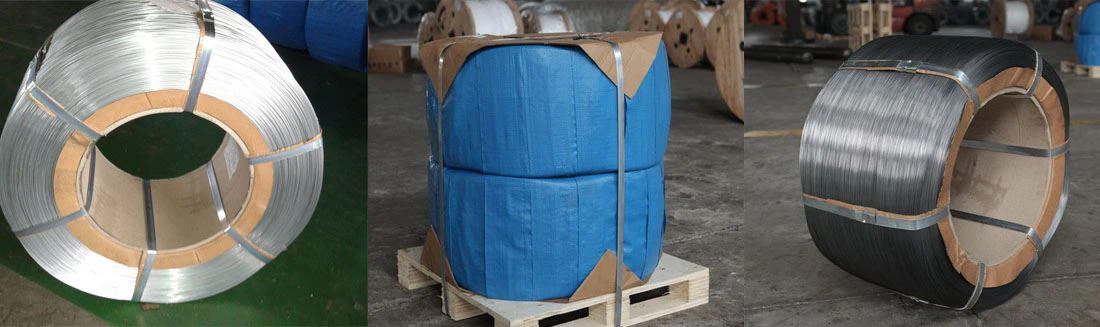
The wire is the smallest component in a wire rope or industrial steel cable. On the other hand, a wire rope strand gets formed when you combine seven or 19 wires together. As a result, a strand is often stronger than a single wire. You can use strands on their own or as a combination, turning them into wire ropes and cables.
Wire ropes and industrial cables are basically the same. The term is also used interchangeably. But wire ropes often have diameters larger than 3/8″. Cables, however, have smaller diameters. The strength, flexibility, and corrosion resistance will vary from cable to cable. You will need to speak with your wire rope supplier to find a cable that meets your specifications.
Steel strand wire has become an essential component in the construction industry due to its strength, durability, and versatility. In this article, we will explore the various benefits of using steel strand wire in construction projects and how it can help builders achieve superior results.
Enhanced Structural Integrity
One of the primary advantages of steel strand wire is its exceptional strength, which allows for the construction of structures with enhanced structural integrity. Whether used in bridges, buildings, or other infrastructure projects, steel strand wire provides the necessary support to withstand heavy loads and harsh environmental conditions.
Cost-Effectiveness
Despite its superior strength, steel strand wire is a cost-effective building material compared to traditional alternatives. Builders can save money on construction costs while still achieving the desired level of structural integrity and durability. This cost-effectiveness makes steel strand wire an attractive option for a wide range of construction projects.
Versatility
Steel strand wire is a versatile building material that can be used in various construction applications. From reinforcing concrete structures to supporting suspension bridges, steel strand wire offers unparalleled versatility and adaptability. Builders can rely on steel strand wire to meet their diverse construction needs with ease.
Durability
Another key benefit of steel strand wire is its exceptional durability. Unlike other building materials that may degrade over time, steel strand wire maintains its strength and structural integrity for decades. This longevity ensures that structures built with steel strand wire will stand the test of time and require minimal maintenance.
Environmental Sustainability
In addition to its strength and durability, steel strand wire is also an environmentally sustainable building material. Made from recycled steel, steel strand wire helps reduce the demand for new raw materials and minimizes the environmental impact of construction projects. Builders can feel confident that they are using a sustainable and eco-friendly material in their construction projects.

The Reason For The Change of Wire Rope Diameter
Steel wire rope is a versatile and essential component in many industries, including construction, transportation, and maritime operations. One of the key factors that contribute to the durability and strength of steel wire ropes is their diameter. In order to maintain the reliability and efficacy of a steel wire rope, it is important to understand what causes variations in diameter and how they can be addressed.
One of the main causes of variations in steel wire rope diameter is wear and tear. As the rope is subjected to tension, friction, and exposure to the elements over time, the wire strands that make up the rope can become damaged, causing small deformities in the surface of the wire. These deformities, known as flats, crushes, or birdcages, can cause the wire to become misshapen and reduce its overall diameter.
Another factor that can lead to diameter changes in steel wire ropes is corrosion. When steel is exposed to moisture or saltwater, it can begin to rust and degrade, weakening the overall structure of the rope and causing it to lose its original diameter. Corrosion can be accelerated by exposure to chemicals, extreme temperatures, and other environmental factors, so it is important to store and handle steel wire ropes properly to minimize the risk of corrosion.
In addition to wear and tear and corrosion, other factors can impact the diameter of steel wire ropes, such as the tension and load placed on the rope, the number of wire strands it contains, and the type of construction (i.e. single or multi-layer).
Despite these challenges, there are steps that can be taken to maintain the diameter and integrity of steel wire ropes. Regular inspection and maintenance can help identify any issues early on, allowing for repairs or replacement before the rope becomes too damaged. Additionally, proper storage and handling can help prevent damage from exposure to the elements or from incorrect use.
While variations in diameter can pose a challenge for those working with steel wire ropes, they are ultimately manageable. Through careful attention to maintenance and thoughtful handling, steel wire ropes can remain a reliable and important tool in a wide range of industries. With diligence and care, we can make sure that our steel wire ropes remain strong and true for years to come.
Industrial strands are a crucial piece of hardware used for reinforcement and securement in concrete structures. Construction designs often use various types of strands for tower construction, large-span bridges, and overhead crane beams.
Since industrial strands are responsible for supporting thousands of pounds of concrete, only the strongest, most durable materials must be used. Although nearly all industrial strands are made from steel, several different types are designed for varying applications.
As industrial strand suppliers, we get a lot of questions about overhead lifting equipment and construction applications. Our clients often wonder which finishing, size, or strand style is best for the task they have at hand.
So, what are the differences between these types, and which is the best industrial strand to use?
Let's dive in.
Galvanized Strand Cables
Galvanized steel is covered in a protective layer of zinc to provide additional strength and durability to the steel beneath. This zinc coating prevents the steel from scratches or damage.
Industrial strands are coated through hot-dip galvanization. Zinc is heated up until it turns into a molten liquid. Industrial strands are then dipped into the molten zinc for an even coating.
Benefits of Galvanized Steel Strands
The protective barrier of zinc makes galvanized industrial strands the best option for applications where the wires may experience wear and tear. The galvanized zinc coating protects the steel beneath, increasing its durability.
Galvanized steel is also less expensive compared to other materials of similar strength.
Galvanized industrial strands require little maintenance and upkeep and are very long-lasting.
When to Use Galvanized Industrial Strands
Galvanized strands are commonly used for barrier cables and guard rails, as well as suspension wire where corrosion resistance is equally as important as strength and durability. Galvanized industrial strands should not be used for extreme weight support, as it often has a lower breaking strength than stainless steel.
Stainless Steel Strand Cables
Stainless steel is an alloy metal made mostly of iron along with additional amounts of chromium, nickel, manganese, nitrogen, or carbon. This combination of metals makes stainless steel extremely strong and harder than other styles of steel.
Stainless steel Is naturally corrosion-resistant and is easily identifiable by its shiny exterior. While it is stronger than galvanized steel, it is not as long-lasting and needs more frequent replacements.
Benefits of Stainless-Steel Industrial Strands
One of the greatest benefits of stainless steel is its incredible strength. It is a bit more elastic than galvanized, which helps to increase its breaking strength. However, it is more expensive and is more vulnerable to damage since it lacks a protective coating.
When to Use Stainless Steel Industrial Strands
Stainless steel is often used in applications where the cables easily rust or corrode. For instance, large-span bridges often utilize stainless steel strands since it is exposed to the elements and is usually built over a body of water.
Vinyl Coated Strand Cables
Vinyl-coated industrial strands are not as common as galvanized or stainless steel, but you may see them on occasion. This vinyl plastic coating prevents the strands from unraveling or twisting and protects the steel from corrosion and water.
This coating can be added to either galvanized or stainless-steel cables and is usually added with a lubricating seal to reduce friction.
Benefits of Vinyl Coated Strands
One of the key benefits to vinyl-coated industrial strands is the added protection from abrasion. This also provides additional flexibility and keeps the strand's shape if the end is cut off.
The vinyl coating also protects the metal interior from the heat caused by excess friction or external temperatures.
When to Use Vinyl Coated Strands
Vinyl-coated strands are typically used in applications with high amounts of friction or movement. You may see vinyl-coated strands on pulleys and sheaves or conveyor cables.
Vinyl strands are available in a variety of colors; they are occasionally used for aesthetic purposes in outdoor applications. Bright colors may be used to mark barriers for increased visibility.
1X7 Strand vs 1X19 Strand
In addition to the material, industrial strands come in varying sizes: 1X7 and 1X19.
The 1X7 galvanized cable is constructed with a central core wire that is surrounded by six additional strands. This makes the wire stiffer – and while minimizing elasticity, it's best for tension and bracing.
The 1X19 stainless steel strand has three layers of wires, with a central core strand, six in the middle, and twelve exterior strands. This supports a bit more flexibility in the strand without compromising its strength. 1X19 strands are often used for standing rigging and structural support.
A number of different types of wire rope (also known as aircraft cables) are currently on the market, which might make it difficult for you to decide on the option that's best for your construction project. Wire rope uses include its original applications in the aerospace industry to hoisting cranes. This has forced engineers to develop numerous sizes and styles, which in turn has helped to further over complicate things.
Fortunately, you'll be in a better position to make the right choice once you know a few pieces of insider information. Perhaps the most important thing to know before making a purchasing decision is how to rate the various types of wire rope by their classification.
Comparing 1x19, 7x7 & 7x19 Wire Rope Designs
Wire rope specifications usually classify a piece of aircraft cable by the number of wires in each strand as well as the number of strands in the whole rope. This has lead to a system where cables are identified by a pair of numbers, such as 7x19. The first number, 7 in this case, represents the total number of strands in the rope. If you unravel a 7x19 cable, then you'd be able to see 19 wires in each individual strand.
While the second number does technically represent the number of wires in each of these strands, it might be more accurate to say that it identifies a class or range of values and isn't an exact measurement.
Even though this might sound confusing, there isn't much you'll have to remember when shopping for wire rope. All cables of the same size, grade and core offers the similar breaking strength characteristics. They also exhibit a similar weight per each foot of cable.
Three of the more common classifications you're likely to come into contact with are 1x19, 7x7 and 7x19. A 1x19 construction gives engineers the freedom to design a stiff cable that won't flex or bend, so you might find it anywhere you have to run ropes in a straight line such as when putting up guy wire.
Construction crews that have to deal with rigging or want to tow and maneuver heavy objects often turn to 7x7 cables. Heavy applications might call for 7x19 rope, which can handle a healthy amount of force before it breaks. Overall, 7x7 is used when flexible pieces are required and 7x19 is employed when an even greater level of flexibility is preferred. If you have to make slight bends, then 7x7 ropes may be preferred. Mechanical assemblies that call for sheaves and pulleys work well with 7x19 pieces.
Construction & Stiffness
Since stiffness is such an important consideration when selecting a piece of wire rope, technicians have developed more than one way of measuring it. In most cases, you'll see people talk about axial and bending stiffness.
Axial stiffness measures the elastic deformation of a piece of wire rope under load. It's normally expressed as a ratio of load to deflection. Since the relationship between these two things aren't linear, most manufacturers are only ever able to apply guidelines values. As a rule, though, tightly wound wires with many strands won't experience as much axial gyration as weaker ropes.
Bending stiffness is perhaps more self-explanatory. This metric tracks how likely a particular type of wire rope is to start to sag when put under a load. In most strands that feature multiple layers of wires, the inner layers will start to support the outer layers once a load gets applied. This allows all of the wires to slide and adjust freely to provide additional support against these bending forces.
There's a general rule of thumb that you might want to follow when trying to decide between different types of wire rope. Those that feature strands made up of a few large wires tend to be more resistant to abrasion but less resistant to fatigue. Pieces of wire rope that use strands made up of many smaller wires tend to suffer more from abrasion but stand up well against fatigue.
Wire Rope & Aircraft Cable Applications
Considering that different applications require different types of cable, you'll want to think carefully about your company's particular use case. While fly-by-wire technology has allowed many pilots to use electronic controls, smaller aircraft often still rely on good strong wire ropes.
Nautical uses for wire rope include securing cargo to the decks of ships and securing boats to their moorings. Sailboat rigging and lines going to and from fishing boats are often made from wire rope as well. Most maritime companies prefer to go with wire rope that won't corrode when exposed to salt water.
Even if you're used to seeing wire rope around the job site, there are a number of applications you might not have thought of. For instance, a majority of live theaters feature backdrops that move. Galvanized cable fits the bill in these cases. Recreational zip lines are generally made from wire rope as well, because it's sturdy enough to handle the elements.
Galvanized vs. Stainless Steel Wire Rope
Many wire rope applications expose the metal to harsh conditions. Galvanized steel wire rope features a layer of compressed zinc to help reduce the risk of corrosion. While they're still not suitable for marine use, they should stand up to quite a bit of abuse.
If you plan to install cable anywhere that it could be exposed to salt water spray or other forms of moisture, then you'll want to go with stainless steel wire ropes, such as these. While they cost more, they're made of genuine 304, 305 or 316 steel. This helps them stand up against the corrosive influence of seawater.
Tianjin Huayuan Times Metal Products Co., Ltd is established in 2008 is a professional manufacturer in China, engaging in the research, development, production, sale and service of kinds of wire products. The factory is one of the thirteen branches of Tianjin Huayuan Industry Company. Locating in Jinghai, Tianjin with convenient transportation access to Xingang, Tianjin Port, Shi Jiazhuang and Beijing, Tianjin Huayuan Times Metal Products Co., Lt is the resource of the whole steel market in North Part of China.


Tianjin Huayuan Times Metal Products Co., Ltd. is one of the most professional steel wire strand manufacturers and suppliers in China, specialized in providing high quality customized service. We warmly welcome you to wholesale high-grade steel wire strand in stock here from our factory. Contact us for free sample.
ALZN Galvanized Steel Wire, Galvanized Steel Wire Strand 3 8, Steel Wire Strand(0/10)