




What is the thermal conductivity of wire for fence?
 Jan 19, 2026|
 Hey there! As a supplier of Wire for Fence, I often get asked about all sorts of technical stuff regarding our products. One question that pops up more than you'd think is, "What is the thermal conductivity of wire for fence?" Well, let's dig into this topic and break it down in a way that's easy to understand.
First off, thermal conductivity is basically how well a material can transfer heat. It's measured in watts per meter-kelvin (W/(m·K)). The higher the number, the better the material is at conducting heat. Now, when it comes to wire for fence, the thermal conductivity depends on a few key factors.
The most common materials used for fence wire are steel and aluminum. Let's start with steel. Steel is a popular choice for fences because it's strong, durable, and relatively inexpensive. The thermal conductivity of steel typically ranges from about 15 to 50 W/(m·K), depending on the type of steel. For example, carbon steel has a thermal conductivity around 45 W/(m·K), while stainless steel, which contains more alloying elements, has a lower thermal conductivity, usually around 15 - 20 W/(m·K).
Aluminum, on the other hand, is known for its high thermal conductivity. It can have a thermal conductivity of around 200 - 240 W/(m·K). This means that aluminum wire will transfer heat much more quickly than steel wire. But aluminum also has its drawbacks. It's not as strong as steel, and it can be more expensive.
Now, why does thermal conductivity matter when it comes to fence wire? Well, it can have a few implications. In cold climates, a wire with high thermal conductivity, like aluminum, will lose heat more quickly. This could potentially lead to the wire getting colder and becoming more brittle, which might affect its strength and durability over time. On the other hand, in hot climates, a wire with high thermal conductivity will heat up faster. This could cause the wire to expand, which might lead to sagging or other structural issues in the fence.
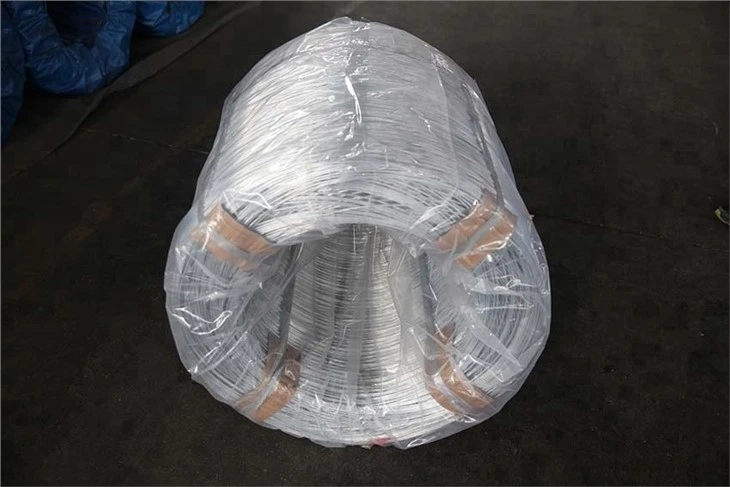
At our company, we offer a variety of wire for fence options to suit different needs and climates. For example, our Soft Hot Dipped Galvanized Steel Wire is a great choice for general-purpose fencing. The hot-dipped galvanization process adds a layer of zinc to the steel, which not only protects it from corrosion but also doesn't significantly affect its thermal conductivity. This wire has a good balance of strength and durability, and its thermal conductivity is in the typical range for steel.
If you're looking for wire for a mesh fence, our Galvanized Steel Wire for Mesh is a top pick. It's specifically designed to be used in mesh applications, and it has the right properties to ensure a stable and long-lasting fence. The galvanization helps to prevent rust and corrosion, and the thermal conductivity of the steel wire is suitable for most environments.
And of course, we also have our Fence Wire range, which includes different types of wire with varying thicknesses and strengths. Whether you need a wire for a small garden fence or a large industrial fence, we've got you covered.
Another factor that can affect the thermal conductivity of fence wire is the coating or finish. As I mentioned earlier, galvanized coatings add a layer of zinc to the wire. Zinc has a thermal conductivity of about 116 W/(m·K), which is higher than that of steel. However, the thin layer of zinc on the wire doesn't have a huge impact on the overall thermal conductivity of the wire. Other coatings, such as powder coatings, can also affect the thermal properties of the wire. Powder coatings act as an insulator to some extent, reducing the rate of heat transfer through the wire.
It's also important to consider the diameter of the wire. Thicker wires generally have a higher thermal conductivity than thinner wires. This is because there is more material available to conduct heat. However, thicker wires also have other advantages, such as greater strength and durability.
When choosing the right wire for your fence, it's not just about thermal conductivity. You also need to think about factors like the intended use of the fence, the local climate, and your budget. For example, if you're building a fence in a coastal area where there is a lot of saltwater corrosion, you might want to choose a wire with a high-quality galvanized coating or a stainless steel wire.
In conclusion, the thermal conductivity of wire for fence is an important factor to consider, but it's just one piece of the puzzle. At our company, we're here to help you make the right choice for your fencing needs. We have a team of experts who can answer all your questions and provide you with the best advice. Whether you're a homeowner looking to build a new fence or a contractor working on a large project, we've got the wire for fence solutions you need.
If you're interested in learning more about our products or have any questions about thermal conductivity or other technical aspects of fence wire, don't hesitate to get in touch. We're always happy to have a chat and discuss your specific requirements. You can reach out to us to start the conversation about your fence wire needs and explore the options that are best for you.
References

- "Thermal Conductivity of Metals and Alloys." Engineering ToolBox.
- "Properties of Aluminum." The Aluminum Association.