




How to prevent wire for fence from sagging?
 Jan 20, 2026|
 Wire fences are a popular choice for various applications, including agricultural, residential, and commercial use. However, one common issue that many fence owners face is wire sagging. Sagging wires not only compromise the aesthetic appeal of the fence but also reduce its functionality and durability. As a leading Wire for Fence supplier, we understand the challenges associated with wire sagging and are here to share some effective prevention strategies.
Understanding the Causes of Wire Sagging
Before delving into the prevention methods, it's crucial to understand why wire fences sag in the first place. Several factors can contribute to this problem:
- Tension Loss: Over time, the wires in a fence can lose their initial tension due to natural factors such as temperature changes, wind, and the weight of vegetation or debris. This loss of tension causes the wires to sag.
- Inadequate Post Spacing: If the fence posts are spaced too far apart, the wires will have to bear more weight and stress, increasing the likelihood of sagging.
- Poor Installation: Incorrect installation techniques, such as improper wire tensioning or using low-quality materials, can also lead to sagging wires.
- Ground Movement: Shifting soil, frost heave, or other ground movements can cause the fence posts to tilt or move, resulting in wire sagging.
Choosing the Right Wire for Your Fence
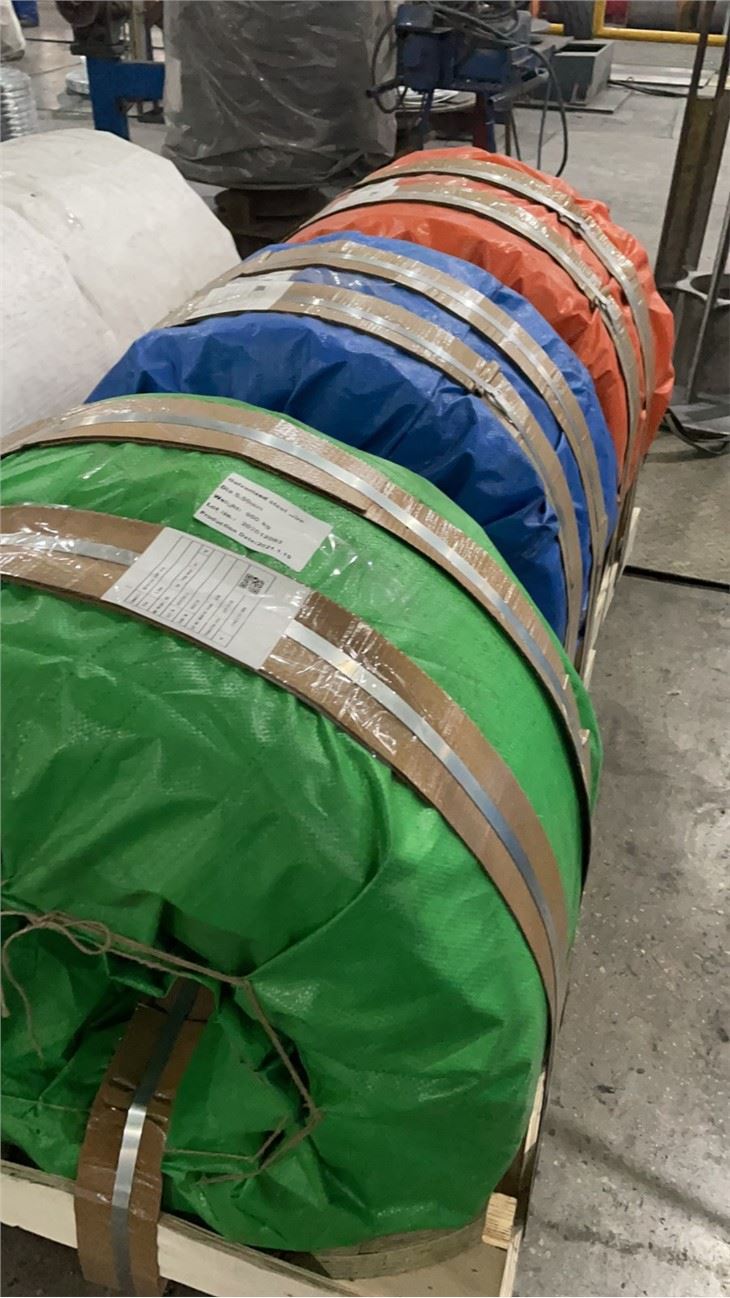
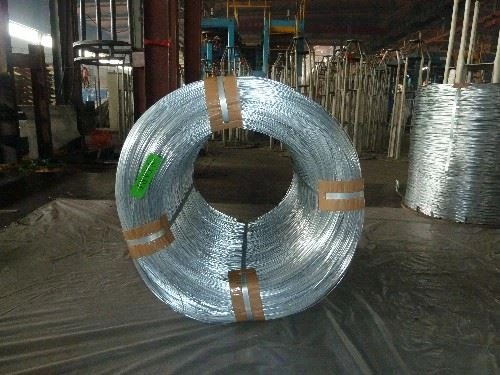
The type of wire you choose for your fence plays a significant role in preventing sagging. At our company, we offer a wide range of high-quality wires, including Soft Hot Dipped Galvanized Steel Wire, JIS G 3547 H-3 Galvanized Iron Wire, and Fence Wire. These wires are designed to withstand various environmental conditions and maintain their tension over time.
- Galvanized Steel Wire: Galvanized steel wire is coated with a layer of zinc, which provides excellent corrosion resistance. This type of wire is strong and durable, making it suitable for long-term use in outdoor fences.
- High-Tensile Wire: High-tensile wire is made from high-strength steel and has a higher breaking strength than regular wire. It can withstand greater tension without stretching or sagging, making it an ideal choice for large-scale fences.
- Barbed Wire: Barbed wire is a type of fencing wire that has sharp barbs along its length. It is commonly used for security purposes and can also help prevent animals from crossing the fence. However, it's important to handle barbed wire with caution to avoid injury.
Proper Installation Techniques
Proper installation is key to preventing wire sagging. Here are some essential installation techniques to follow:
- Post Spacing: Ensure that the fence posts are spaced at the appropriate intervals. The spacing will depend on the type of wire and the intended use of the fence. As a general rule, posts should be spaced no more than 8 to 10 feet apart for most types of wire fences.
- Post Depth: Dig the post holes deep enough to provide a stable foundation for the fence. The depth of the post holes will depend on the height of the fence and the soil conditions. In most cases, the posts should be buried at least one-third of their total length in the ground.
- Wire Tensioning: Use a wire tensioner to apply the correct amount of tension to the wires. Over-tightening the wires can cause them to break, while under-tightening can lead to sagging. Follow the manufacturer's instructions for the recommended tensioning settings.
- Staple Placement: When attaching the wires to the fence posts, use galvanized staples and place them at regular intervals. Make sure the staples are secure but not too tight, as this can damage the wires.
Regular Maintenance
Regular maintenance is essential to keep your wire fence in good condition and prevent sagging. Here are some maintenance tips to follow:
- Inspect the Fence: Regularly inspect the fence for any signs of damage, such as broken wires, loose staples, or leaning posts. Repair any issues promptly to prevent further damage.
- Remove Vegetation: Keep the area around the fence free of vegetation, as overgrown plants can put additional weight on the wires and cause them to sag. Trim any branches or weeds that come into contact with the fence.
- Check the Tension: Periodically check the tension of the wires using a tension gauge. If the tension has decreased, use a wire tensioner to re-tighten the wires.
- Protect the Posts: Treat the fence posts with a preservative to prevent rot and decay. You can also wrap the lower portion of the posts with a protective material, such as plastic or metal, to prevent damage from moisture and pests.
Additional Tips for Preventing Wire Sagging
In addition to the above strategies, here are some additional tips to help prevent wire sagging:
- Use Intermediate Braces: For longer fence runs, consider using intermediate braces to provide additional support to the wires. Intermediate braces can help distribute the weight of the wires more evenly and reduce the likelihood of sagging.
- Install Anti-Sag Spacers: Anti-sag spacers are small devices that can be installed between the wires to keep them evenly spaced and prevent sagging. They are easy to install and can significantly improve the appearance and functionality of the fence.
- Consider the Climate: If you live in an area with extreme weather conditions, such as high winds or heavy snow, take extra precautions to protect your fence. For example, you can install windbreaks or snow fences to reduce the impact of the elements on the fence.
Contact Us for Your Fence Wire Needs
As a trusted supplier of high-quality Fence Wire, we are committed to providing our customers with the best products and services. If you have any questions about preventing wire sagging or need help choosing the right wire for your fence, please don't hesitate to contact us. Our team of experts is here to assist you every step of the way.
References
- "Fence Construction and Maintenance" by the American Fence Association
- "Steel Wire Fencing: A Comprehensive Guide" by the Wire Association International
- "Preventing Wire Sagging in Agricultural Fences" by the University of Extension